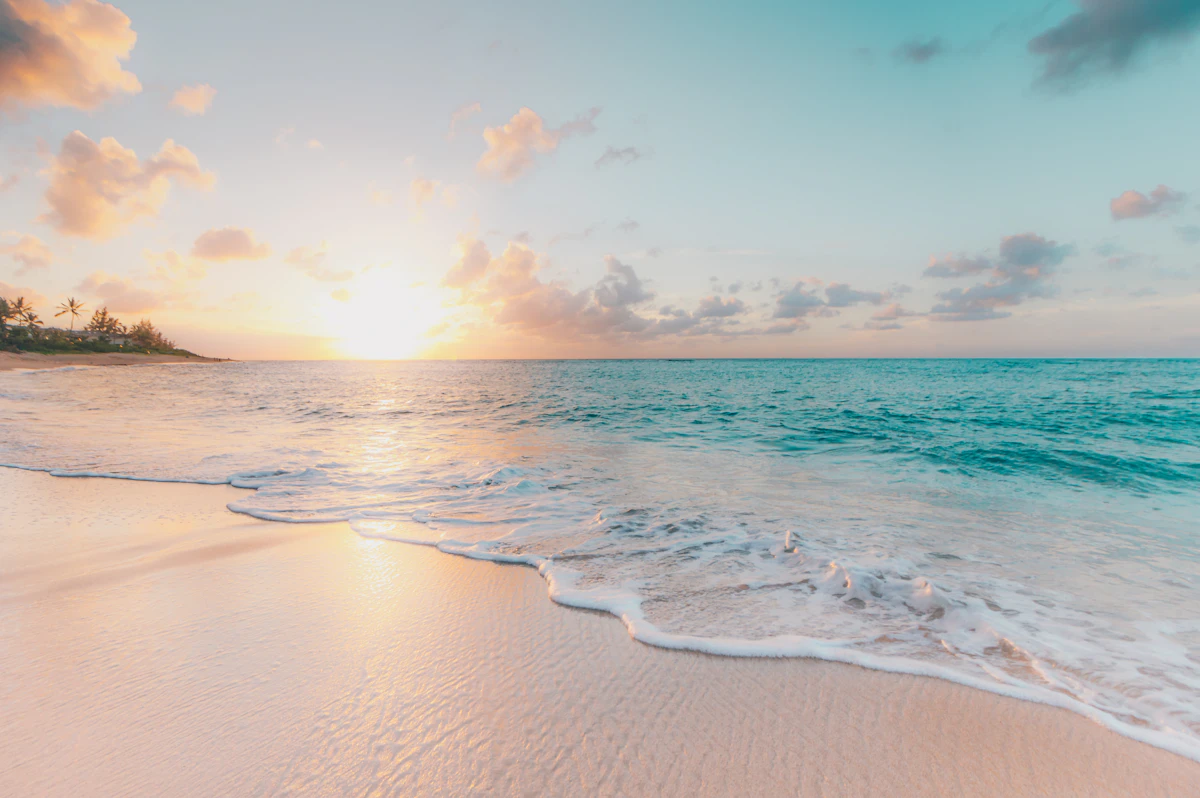
Mallorca travel guide
Best time to visit Mallorca
A practical guide to the best months to visit Mallorca, including warm-weather advice, crowd levels, beach conditions, and the easiest time for families, couples, and first-time visitors.
Mallorca works well across much of the year, but the best time to visit depends on what kind of holiday you want. Some travellers want hot beach days and long swims, while others prefer easier sightseeing, lower hotel prices, and less crowded villages and beaches.
Best months for beach weather and easy holiday planning
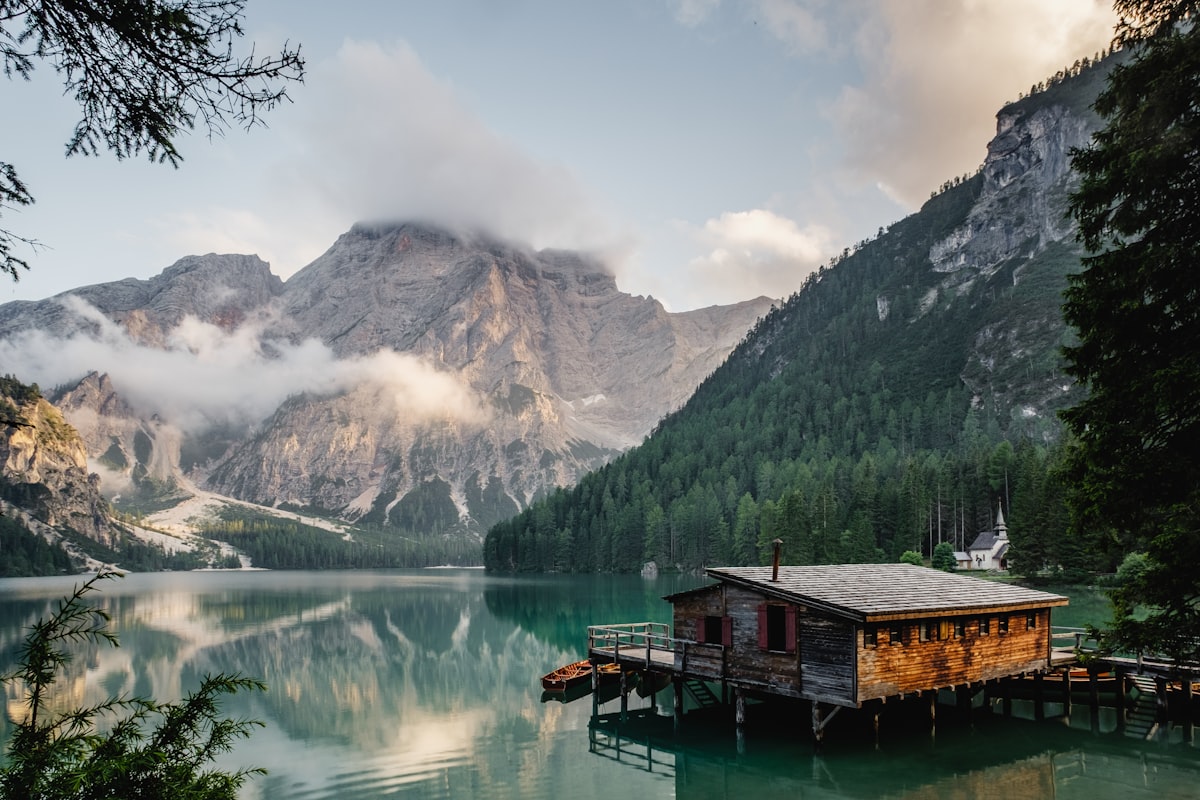
For most holiday makers, the sweet spot is late May, June, September, and early October. The weather is usually warm enough for swimming and outdoor days, but the island is usually less intense than the peak-summer months. This is the time when beaches, restaurants, and scenic drives tend to feel more manageable.
July and August are the hottest and busiest months. They are ideal if you want the fullest beach holiday experience and do not mind busy centres, higher prices, and more crowded coastal spots. If you plan to travel then, book early and keep your days simple.
Spring: best for walking, villages and city breaks
April, May and early June are excellent if you prefer sunny conditions without the full intensity of peak summer. This is a very good period for Palma, historic streets, village walks, and scenic drives. It also suits people who want to travel without fighting for beach loungers or restaurant tables.
Sea temperatures are still not at their warmest in spring, but the island is very pleasant for exploring and for shorter, more comfortable sightseeing days.
Summer: best for full beach holidays and families
From mid-June to late August, Mallorca is at its classic holiday mode. Beaches are busy, waters are warm, and resort areas feel lively. This is often the easiest time for families who want a conventional beach trip with lots of swimming, boat days, and easy dining nearby.
The downside is heat, crowds and higher prices. If you visit in summer, start early, book restaurants in advance, and keep your schedule flexible on the hottest afternoons.
Autumn: best all-round balance for many travellers
September and early October are often the best months for a well-balanced Mallorca trip. The sea is still warm, the weather is usually very good, and the island feels less crowded than July and August. It is one of the easiest choices for couples, families and first-time visitors who want beaches and scenery without the peak-season rush.
This is also a strong period for hiking, day trips, and slower travel because it is easier to enjoy village walks and coastal drives without the busiest conditions.
Winter: best for quieter stays and city breaks
Mallorca is not a classic winter-sun destination in the same way as some other Mediterranean islands, but it can still be a very pleasant place to visit outside peak season. December to February is quieter and often more relaxed, which works well for people who want a calmer city break or a slower coastal stay.
The weather is usually mild rather than hot, and many travellers use this as a time to explore Palma, take local walks, and enjoy a more relaxed pace without the summer crowds.
What to book before you go
- Choose late May to early June for warm weather, lower crowd levels, and a comfortable first trip.
- Choose September or early October for the best mix of beach weather and fewer peak-season pressures.
- Choose July or August if you want the fullest beach holiday and do not mind busier resort areas.
- Choose winter if you prefer quieter streets, lower prices, and a more relaxed pace over hot-weather beach time.
Where to stay
- Palma for city walks, restaurants and shorter day trips in spring or autumn.
- Alcudia or Playa de Muro for long beach days in summer.
- Port de Soller or west-coast villages for slower scenery in shoulder season.
- Cala d Or or Santa Ponsa for a classic family holiday in the warmest months.
Practical advice for holiday makers
- Book ahead if you are visiting in July and August, especially for beach clubs, villa stays and restaurants near the coast.
- For the easiest holiday rhythm, aim for shoulder season if you want beaches without peak-summer intensity.
- Check the sea temperature and wind conditions before planning boat trips or swimming-heavy days.
- In any month, keep one flexible day in case the weather changes or the beaches become too crowded.